
The House of the Seven Gables Named America’s Best Historical Home Tour by Newsweek in 2025
Salem’s iconic 357-year-old mansion tops prestigious list of America’s most captivating historical home tours
Salem, Massachusetts has another reason to celebrate its rich historical heritage. The House of the Seven Gables has been crowned the Best Historical Home Tour in America by Newsweek Readers’ Choice for 2025, beating out renowned destinations like the Winchester Mystery House, Biltmore Estate, and Hearst Castle.
A Prestigious Recognition for America’s Historic Gem
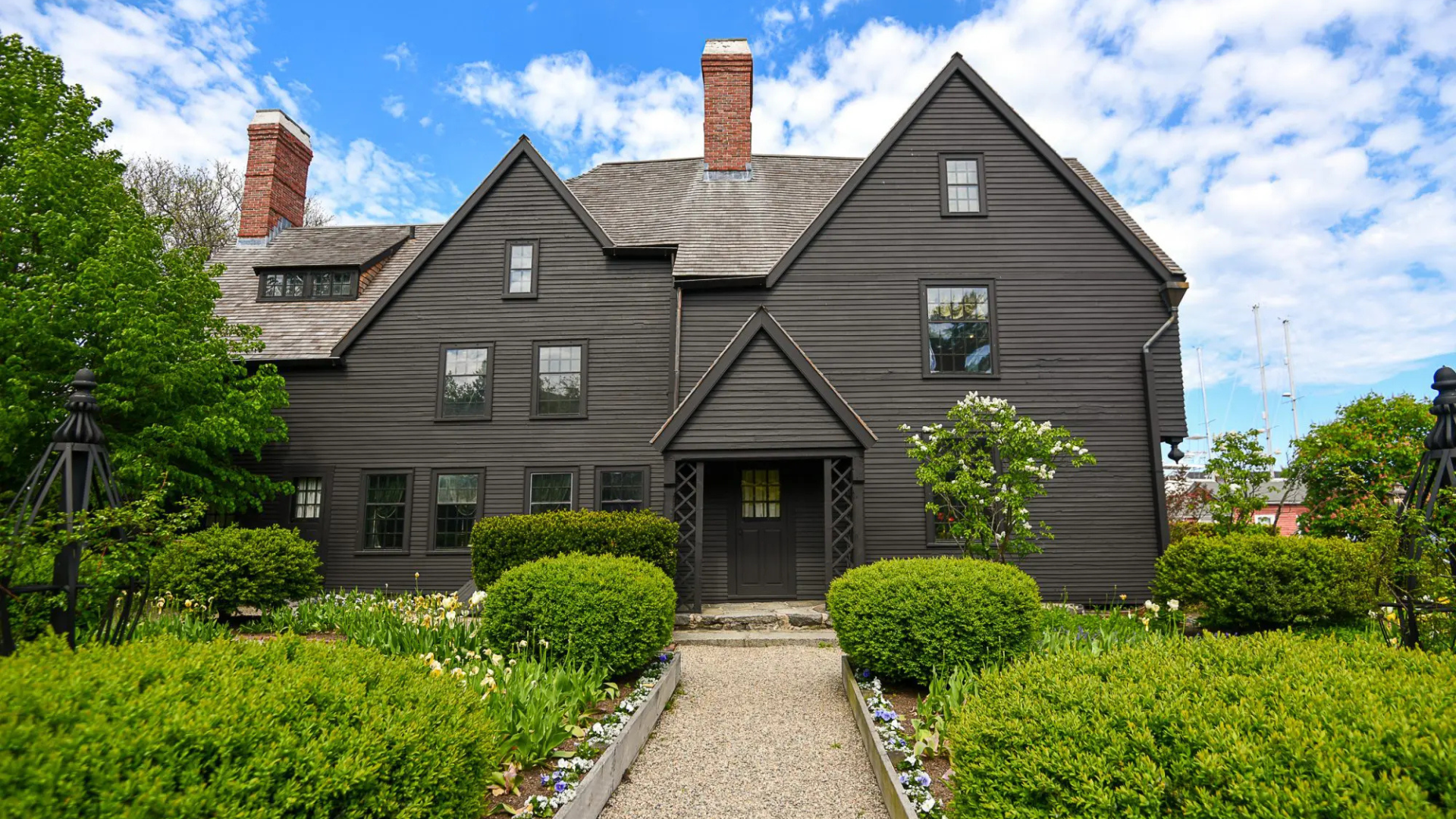
On August 21, 2025, Newsweek Readers’ Choice announced that The House of the Seven Gables claimed the top spot in their annual ranking. The 357-year-old mansion by the sea is recognized as one of the country’s largest timber mansions still on its original foundation, with deep connections to American literature and history.
Literary Legacy Meets Architectural Marvel
Built in 1668 for seafaring merchant John Turner, this Salem landmark carries an extraordinary literary connection. The mansion eventually came into the hands of Susannah Ingersoll, who occupied it for much of the 19th century. Ingersoll often entertained her cousin, budding writer Nathaniel Hawthorne, at the house, and it served as the inspiration for his celebrated 1851 novel, The House of the Seven Gables.
What Makes This Tour Unique
Unlike many historical home tours that showcase a single era, The House of the Seven Gables offers visitors a journey through multiple time periods. Furnished rooms range from a 1668 Kitchen with a large hearth to a 1950s Settlement Worker’s Bedroom with an electric lamp. Some rooms, like the 1840s Cent Shop, are even drawn from the pages of Hawthorne’s novel, allowing visitors to walk through both history and literature in just 45 minutes.
Dakota Russell, Executive Director of The House of the Seven Gables, emphasizes the tour’s inclusive approach: “Over the past few years, we have worked hard to highlight the histories of the women who lived here, and of the house’s indentured and enslaved laborers. We also try to give voice to the Indigenous people who were here first, and to the immigrant communities who came to call Salem home.”
A Legacy of Social Service
The mansion’s history encompasses more than its architectural and literary significance. In 1910, Salem activist and philanthropist Caroline Emmerton restored the house to its original grandeur and opened it to the public as both a museum and a Settlement House—a type of social service organization that supported new immigrants to the United States.
This mission continues today, with admission fees supporting free English Language and Citizenship classes for local immigrant communities. The house achieved National Historic Landmark status in 2007 and welcomes over 100,000 visitors each year.
Competition from America’s Most Famous Historic Homes
The House of the Seven Gables faced impressive competition from other nationally recognized historic homes, including the Winchester Mystery House in San Jose, California; the Biltmore Estate in Asheville, North Carolina; and notable properties like the Ernest Hemingway Home & Museum in Key West, Florida, and Hearst Castle in San Simeon, California.
Plan Your Visit to America’s #1 Historic Home Tour
For those inspired by this recognition, The House of the Seven Gables offers year-round tours with special events throughout the year, including seasonal celebrations in October. The mansion features Georgian architectural splendor and kid-friendly activities for families.
Russell encourages both new and returning visitors with this promise: “Even if you have seen the house before, I promise you there is more to our story.”
The House of the Seven Gables is located at 115 Derby Street, Salem, MA. For more information about tours and visiting hours, visit www.7gables.org.
The House of the Seven Gables Settlement Association is a 501(c)3 non-profit organization dedicated to preserving this historic landmark while continuing Caroline Emmerton’s legacy of supporting immigrant communities through educational programs.