
by John Andrews/Creative Collective
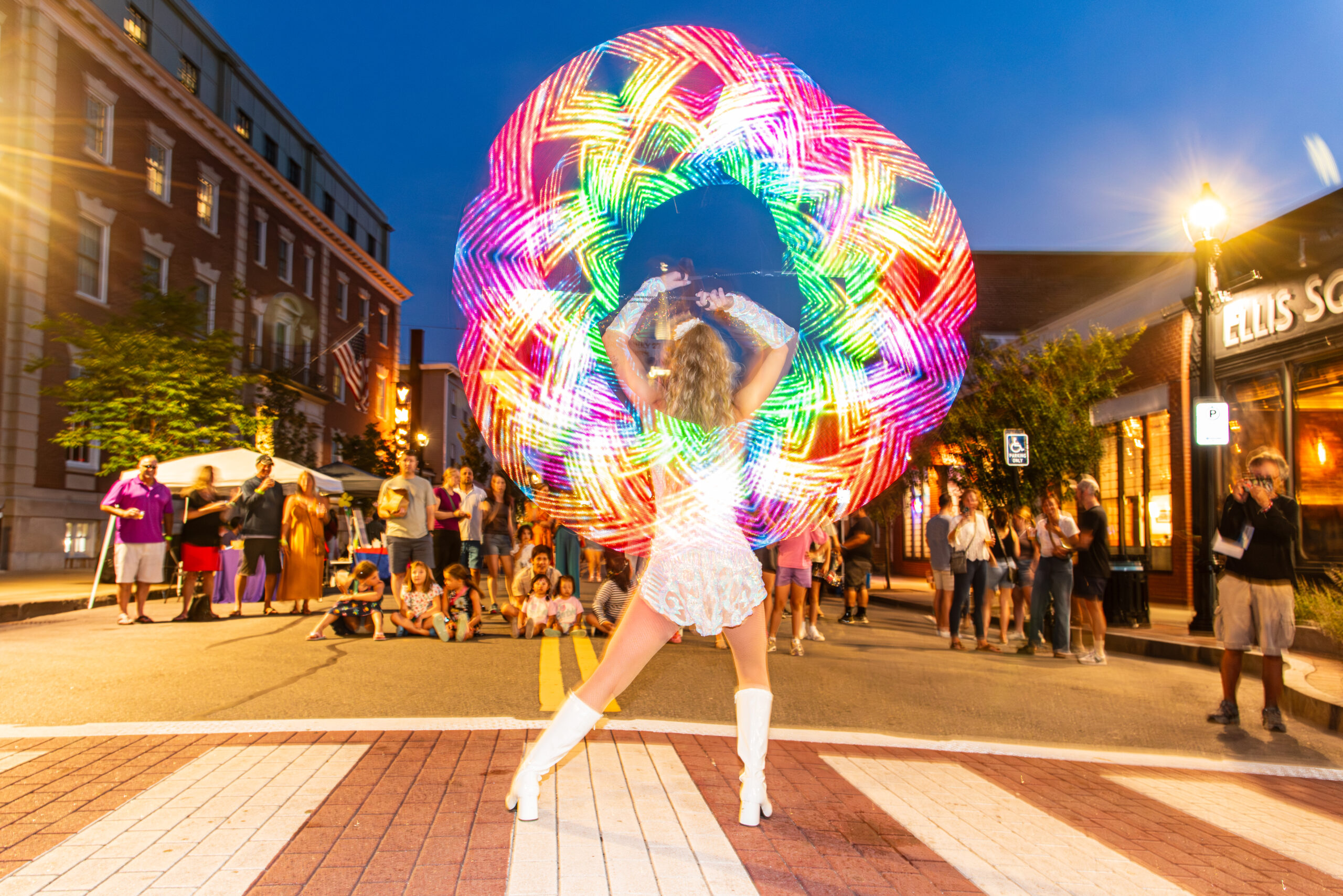
Photo by Christopher Padgett for Beverly Main Streets
When we think about economic drivers, industries like technology, healthcare, or manufacturing often come to mind. However, a vibrant and impactful sector affects our daily lives and local economies in ways many don’t realize: the creative sector. From the music we listen to on our commutes to the designs of the products we use, the creative industry touches almost every aspect of our lives. But its impact goes far beyond cultural enrichment—it’s a significant economic force that benefits all of us, whether we consider ourselves “creative” or not. The Creative Sector Matters.
A Trillion-Dollar Industry in Our Backyard
According to the Congressional Arts Report Card 2024, the arts and culture sector in the United States is a $1.1 trillion industry supporting 5.2 million jobs. To put this in perspective, that’s 4.3% of the nation’s economy—a larger share of GDP than transportation, construction, education, or agriculture. This isn’t just about big cities or famous artists; it’s about local economies across the country.
The nonprofit arts and culture industry alone generated $151.7 billion in economic activity in 2022. This supported 2.6 million jobs and contributed $29.1 billion in government revenue. These aren’t just numbers on a page—they represent real jobs, from the stage manager at your local theater to the graphic designer creating logos for small businesses in your town.
Boosting Local Businesses You Rely On
Even if you’re not directly employed in a creative field, the sector likely benefits your business or the places you frequent. On average, arts attendees spend $38.46 per person per event, beyond the cost of admission. This means more customers for local restaurants, shops, and services.
Moreover, 30% of arts attendees come from outside the county where the event occurs, spending an average of $60.57 beyond admission. This influx of visitors benefits hotels, restaurants, and other local businesses, contributing to a healthier local economy for everyone.
Attracting Talent and Businesses to Your Community
A thriving creative sector doesn’t just create jobs within its industry—it attracts talent and businesses across all sectors. Companies looking to relocate or expand often consider a community’s cultural offerings when making their decisions. A vibrant arts scene can be a deciding factor, bringing new job opportunities and economic growth that benefit the community.
Educating Future Innovators
The creative sector’s impact extends to education, preparing students for the jobs of tomorrow. Students engaged in arts learning have higher GPAs, standardized test scores, college-going rates, and lower drop-out rates. These benefits are seen across all socio-economic groups.
In a rapidly changing job market, creativity is increasingly valued. The Conference Board’s Ready to Innovate report found that creativity is among the top five applied skills sought by business leaders, with 72% saying it’s of “high importance” when hiring. By supporting arts education and the creative sector, we’re investing in a workforce that’s prepared for future challenges.
Improving Health and Well-being for All. Creative Sector Matters
The benefits of a robust creative sector extend to healthcare as well. Nearly half of the nation’s healthcare institutions provide arts programming for patients, families, and staff. Why? Because 78% of these institutions report healing benefits to patients, including shorter hospital stays, better pain management, and less medication.
Moreover, 75% of Americans say they would likely follow a doctor’s prescription to participate in the arts to improve their physical or mental health. This intersection of the arts and healthcare can lead to better health outcomes and potentially lower community healthcare costs.
Strengthening Community Bonds
In an era when many feel disconnected, the arts are crucial in bringing people together. 72% of Americans believe the arts provide shared experiences with people of different backgrounds, and 63% agree that the arts help them better understand other cultures in their community. This increased understanding and community cohesion can lead to numerous positive outcomes, from increased safety to more civic engagement.
Supporting Economic Resilience
A diverse economy is a resilient economy. By supporting the creative sector, communities can add another solid pillar to their economic foundation. This diversity can help buffer against downturns in other industries, providing stability for the community.
How Everyone Can Contribute (and Benefit)
Supporting the creative sector isn’t just for art enthusiasts—it’s a smart investment for everyone who cares about their community’s economic health and quality of life. Here are ways anyone can contribute:
- Attend local events: From craft fairs to concerts, your presence supports local creatives and businesses.
- Consider the arts in business: If you’re a business owner, consider how partnering with local artists or creative businesses could enhance your offerings or workspace.
- Support arts education: Advocate for strong arts programs in local schools, preparing students for future success.
- Recognize the value: When making community decisions, consider the economic and social impact of the creative sector.
The creative sector isn’t an isolated industry—it’s a vital part of our economic and social fabric. By recognizing and supporting its value, we’re enriching our cultural lives and investing in more robust, resilient, and prosperous communities for everyone. Whether you’re a business owner, a parent, or simply a community member, the success of the creative sector contributes to your success.