What MASSCreative’s North Shore conversation means for policy and how to get involved
By John Andrews
Creative workers run businesses, pay rent, need health insurance, and help make our communities places people want to live. We should be part of the decisions about whether we can keep doing that work here.
At MASSCreative’s North Shore Community Conversation on November 24, I raised a question I’ve been wrestling with: does calling us a separate sector sometimes make it easier to leave us out of the bigger conversation? Does the language meant to describe our work end up “othering” the people doing it?
I want creative workers involved when we talk about housing, food security, healthcare, and business development. We live with these challenges, and we bring ideas that should help shape the solutions. The independent business owner behind the work needs to be seen and heard.
We’re part of the economy.
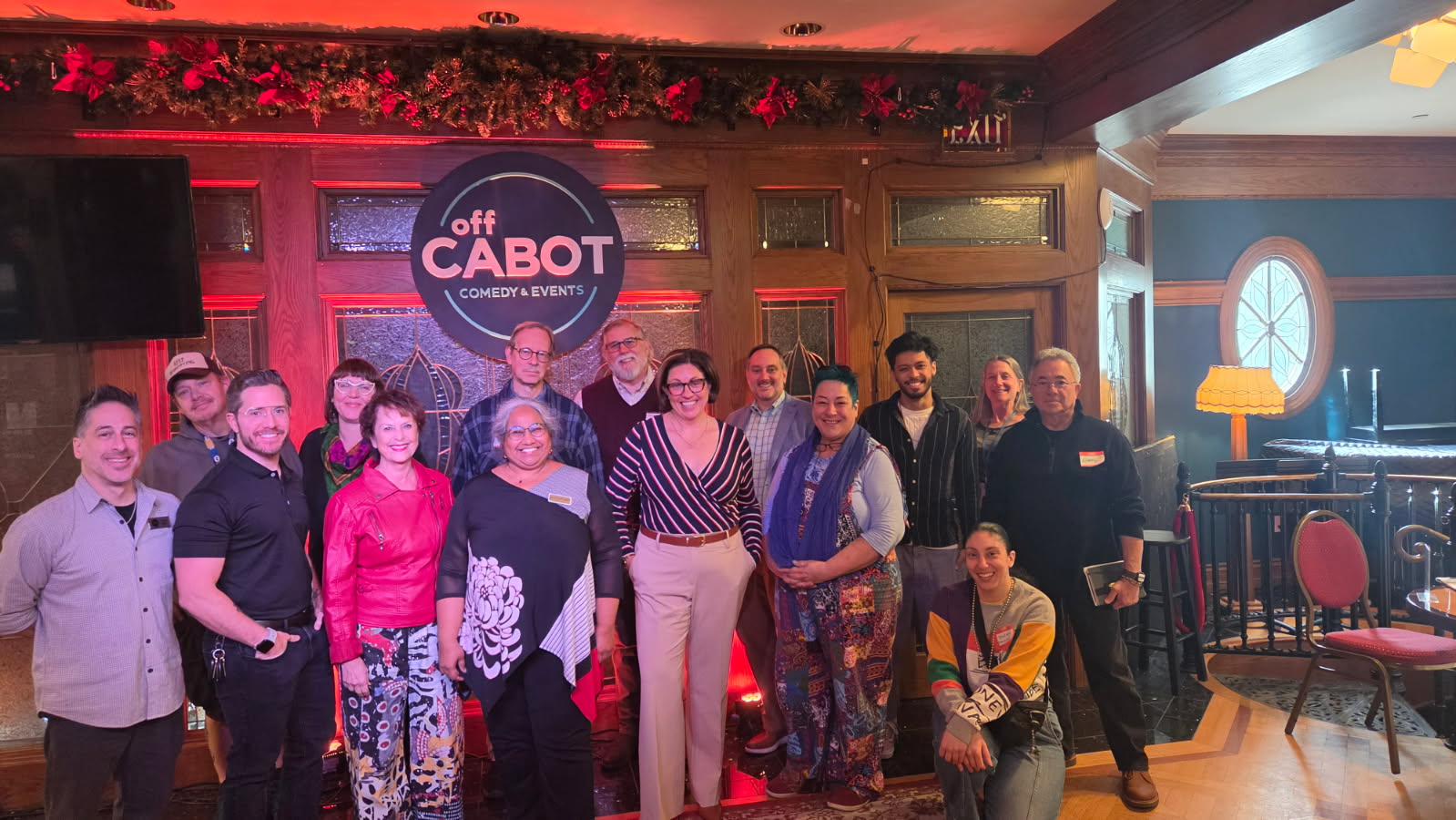
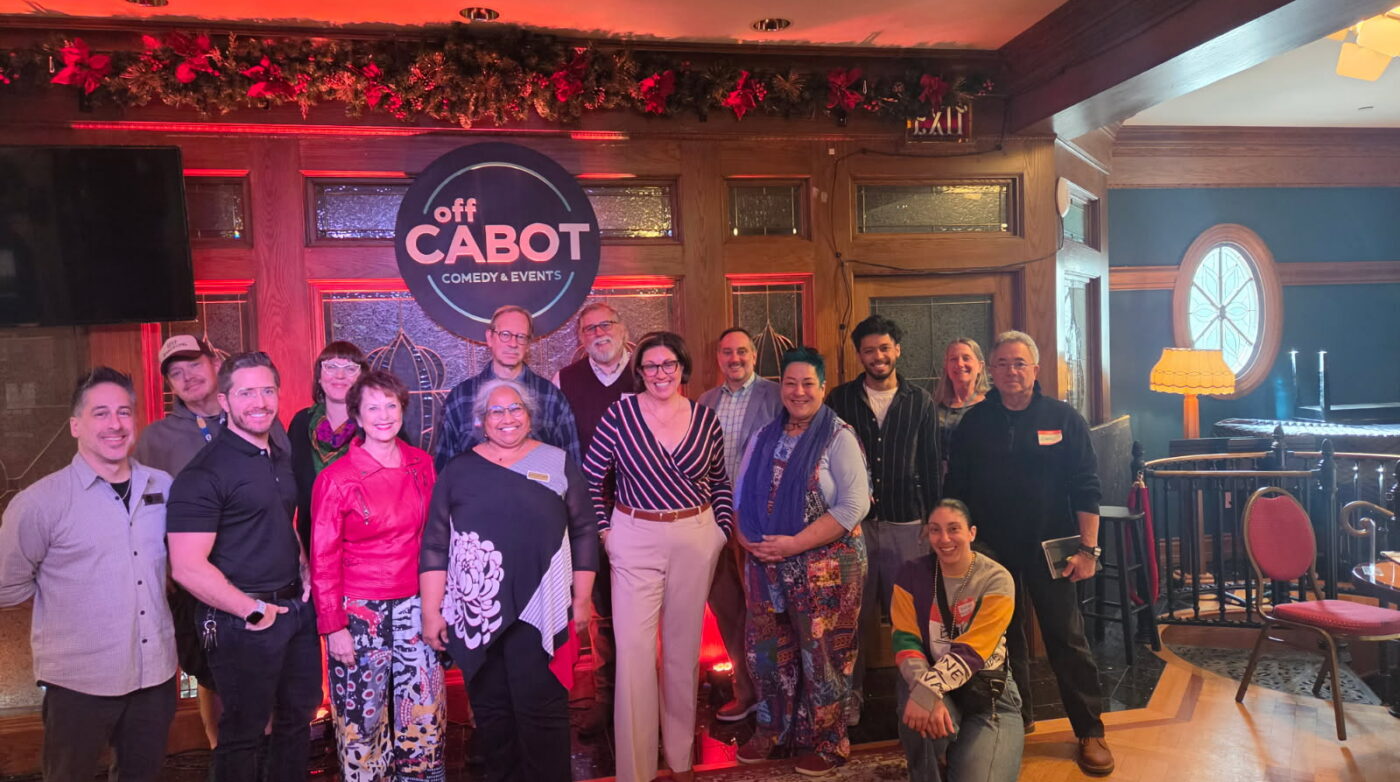
That’s a perspective I brought to a much larger conversation at Off Cabot in Beverly. Creative Collective helped bring people together alongside MASSCreative, North Shore CDC, and The Cabot/Off Cabot to talk through what is getting in the way of creative work and what could help. I’m grateful to everyone who made time for that conversation and brought their experience into the room.
Now we have an opportunity to turn those experiences into specific requests, strengthen the policies that would help, and keep showing up as the next agenda takes shape.
What we brought to the table at Off Cabot
MASSCreative’s 2026 Community Conversations are gathering input for its 2027–2028 Creative Sector Agenda. The North Shore discussion covered creative space and housing; workforce, career, and business training; arts and health; and arts education and creative youth development.
Those subjects connect in very real ways. A shared workspace can give someone a place to earn a living and a chance to learn from the person working beside them. A cultural program can bring people into a room where relationships start. A young person’s first paid experience can help them see a future for themselves in this work.
The group notes reflected those connections. People wanted better information about available buildings and artists’ space needs. They wanted mentorship and practical support for independent businesses. They wanted young people involved in decisions about the opportunities available to them.
For me, that’s where advocacy gets useful: when we can explain what is happening, who it affects, and what change would make a difference.
Three proposals worth understanding
MASSCreative reviewed three proposals from its 2025–2026 legislative agenda: the Creative Space Act, the ACE Act, and the PLACE Act. As of November 24, versions remain under consideration in House and Senate committees. The listening process will help shape what carries forward into the next agenda. Follow the legislative agenda and bill links.
Here is what each proposal would do and why it matters to the conversations we were having.
Creative Space Act
The Creative Space Act would give communities more tools to preserve and develop the places where creative work happens. The Senate proposal, S.2334, defines creative and presentation spaces, provides for property restrictions that protect those uses, and would allow municipalities to establish creative space trusts. Those trusts could receive money or property and acquire space for creative uses. Read the Creative Space proposal.
That gives us something concrete to talk about when a studio building becomes available or a community is trying to hold on to creative workspace. A municipality could choose to establish a trust and build its ability to respond.
The North Shore space group also wanted artists, property owners, and municipalities to connect around empty buildings, demand, and the cost of making spaces usable. Those are practical conversations worth continuing. Questions raised about local entertainment licenses and building codes would need their own review alongside work to preserve space.
ACE Act
The ACE proposal focuses on disability access. It would create a grant program through the Massachusetts Office on Disability to help eligible cultural organizations and businesses improve physical and programmatic accessibility.
An organization can know what needs to change and still struggle to pay for it. This proposal takes that resource question seriously. Access needs to be part of how a space or program works, and organizations need support to make improvements happen.
There are differences between the bill versions. The original Senate proposal, S.160, includes a dedicated transfer tied to Health and Human Services appropriations. The later House draft, H.4912, uses a different funding structure and adds a pilot for gateway cities and rural communities. Both seek resources for access improvements through different financing approaches. Read S.160 and the House draft, H.4912.
PLACE Act
The PLACE proposal would establish a Massachusetts public art fund and commission. Under S.2332, the fund would receive 0.5% of public funds allocated for construction or renovation of Commonwealth-owned buildings or property, subject to a $300,000 per-project cap adjusted annually for inflation. It includes commissioning and maintaining public art, local community participation, and best efforts to support artists from Massachusetts. Read the PLACE proposal.
That would create a way to connect state investment with public art and opportunities for artists. During the workforce discussion, participants also raised the need to support creative work that may not have a public presentation component. Both needs deserve attention as we think about who different funding programs can reach.
The needs that reach beyond these bills
The three proposals give us specific policy changes to consider. The breakout conversations also raised questions that need to stay in the discussion as the next agenda develops.
Business support that fits the way people work. Independent creative businesses need practical help, access to mentorship, and ways to build experience. I want these businesses included in the wider conversations about economic development and the support people need to keep working.
There are examples to build on. An October Massachusetts apprenticeship announcement included $26,000 for Brighter Boston to train and place four audiovisual apprenticeships. That gives us a more useful question to bring forward: where is access still difficult, and what would help more creative occupations and training providers participate?
A clearer picture of creative space. The space group proposed gathering demand and vacancy information, including a possible creative census. We need to be able to explain what kinds of spaces people need and where the gaps are.
There is already a regional resource for making connections: NEFA’s CreativeGround offers free profiles for creative people and organizations, and Creative County Initiative’s directory connects with that platform. That is a place to start finding people and work. A study of unmet space needs would take additional questions and outreach.
Arts participation that helps people connect. The arts-and-health group talked about loneliness, transportation, cost, and cultural spaces as places where relationships can grow. Those are community concerns that deserve to be part of the policy conversation.
Massachusetts already has experience here. Mass Cultural Council launched its CultureRx social prescription pilot in 2020 and later developed work with healthcare partners. That offers useful context for the group’s interest in exploring insurer reimbursement for arts participation, which remains a proposal from the discussion. Learn about Massachusetts social prescription work.
Young people helping shape the decisions. Participants wanted to hear from young people, including those who do not already have access to arts programs. That matters. We need their ideas about what would help them participate and what opportunities they want to build.
Mass Cultural Council’s YouthReach program already supports creative youth development and centers youth leadership. Locally, we can keep asking how more young people can take part and how their input will shape the decisions that follow.
These are connected concerns about whether people can build a life here and contribute to their communities. I want creative workers at the table when we work through them.
Bring the detail you know from doing the work
There is real value in being able to say what is happening in your own business, organization, or community. Before a gathering or a conversation with an elected official, think through four things:
- What is getting in the way? Name the rule, cost, missing resource, or physical condition.
- Who is affected? Explain what becomes harder or which opportunity is lost.
- What would help? Be as specific as you can about the change and who could act on it.
- What can you show? Bring a dated example, a program requirement, a waitlist, or another piece of information that helps someone understand.
For a studio-space conversation, that might mean explaining the type of workspace needed and documenting the available options. For workforce support, it might mean showing which program requirement prevents a training provider from participating.
That detail gives people something to work with. It also makes it easier to find others facing the same issue and make the request together.
Here is how to get involved
Return for the statewide wrap-up on December 10, 2026. If you took part in a 2026 Community Conversation, MASSCreative invites you to its Community Conversation Wrap Up from 6–7:30 PM Eastern on Zoom. Participants will review findings and refine priorities from the listening series. Register through the official wrap-up event page.
Save January 28, 2027, for the Creative Sector Summit in Worcester. Follow MASSCreative’s summit page for planning updates and event details as they are released.
Read a proposal and consider adding your support. The MASSCreative Action Network legislative agenda links to individual and organizational endorsement options for the Creative Space Act, ACE Act, and PLACE Act. Start with the issue closest to your experience. Its Advocacy Week page is also the place to follow 2027 organizing updates.
Talk with your state legislators. Use the Massachusetts Legislature’s official lookup to find your representative and senator. Tell them how the issue affects your work or community, ask where they stand, and explain the change you want them to consider.
Thank you to MASSCreative, North Shore CDC, and The Cabot/Off Cabot for doing this work alongside us. And thank you to the people who brought the questions they are working through every day.
I’d love to see more of our North Shore community involved as this moves forward. Bring your experience, your questions, and the idea you think could help. We have a lot to contribute to the decisions about our communities, and I want us in those conversations.
This story comes from the Creative Collective community — Essex County businesses who believe when we thrive together, our whole region becomes more vibrant. We’re entrepreneurs, creators, and service providers across all industries, collaborating to build the community we want to be part of. If you see your business as more than just commerce — as a way to contribute to our regional ecosystem — you belong here. Discover how to join our community →