By John Andrews, Founder, Creative Collective
How Montserrat College of Art, The Cabot, and Beverly Main Streets built something extraordinary
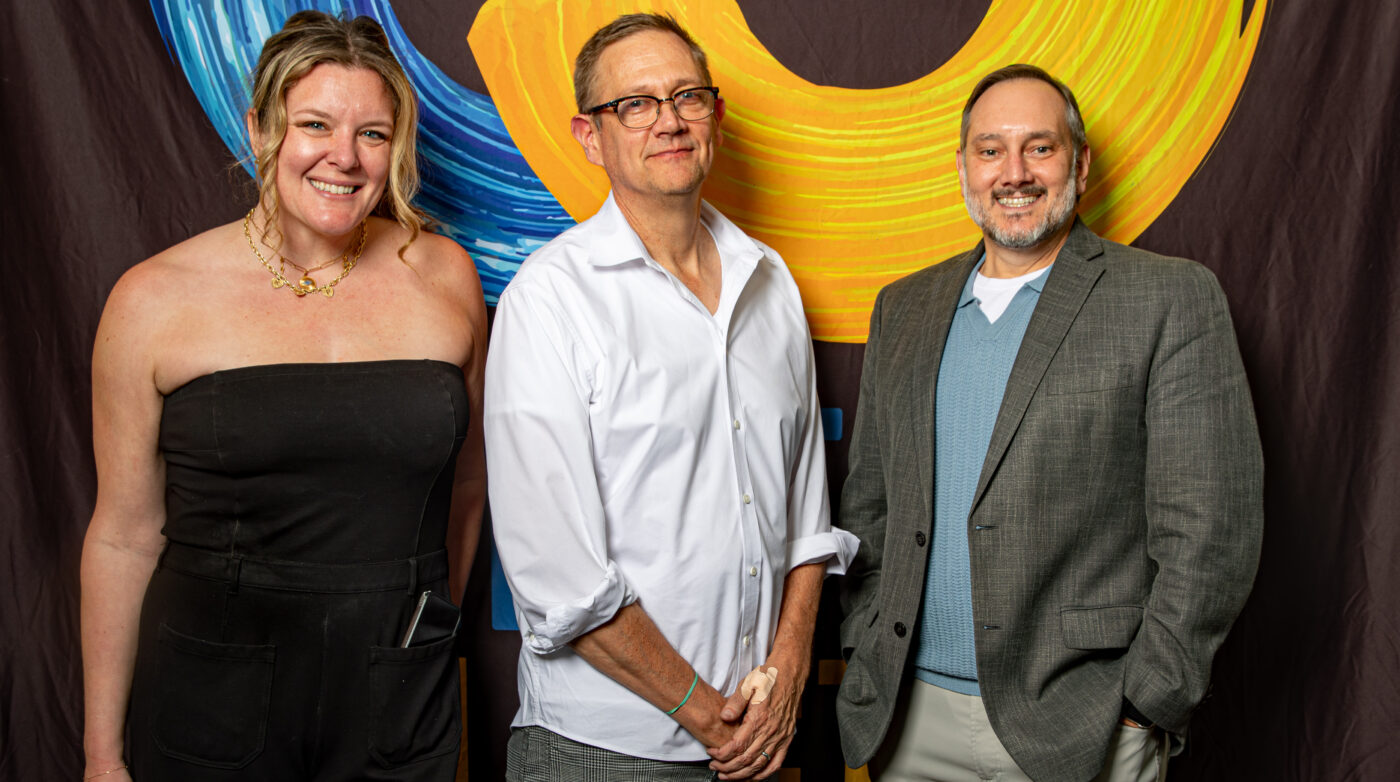
I stood in a packed gallery at 248 Cabot Street in Beverly. I watched something I’ve been hoping to see for years: creative organizations building infrastructure together rather than competing for resources.
The Bower—Montserrat College of Art’s new 36,000-square-foot creative complex—wasn’t just celebrating a grand opening. It was demonstrating a fundamentally different approach to economic development. As the founder of Creative Collective, I wanted to share why this matters to every creative professional and business owner on the North Shore.
Why This Opening Felt Different
Most creative infrastructure projects take years to develop. Research from Americans for the Arts shows that successful cultural districts require extensive planning: feasibility studies that stretch 12-24 months, competitive funding applications with uncertain outcomes, committee approvals across multiple stakeholders, and policy changes that can take years to implement.
The Reinvestment Fund’s work on arts infrastructure in Baltimore makes this clear: “Policy change can take years to accomplish, and is also subject to changes in administration and other external factors.”
But Beverly just opened The Bower in the past few weeks, not years. How?
The answer reveals something important about how creative infrastructure actually works—and it starts with a story that goes back much further than most people realize.
The 15-Year Foundation
Since 2010, Beverly has been executing a deliberate creative economy strategy. When Beverly Main Streets published its Downtown 2020 Strategic Plan, it identified arts and culture as the primary economic driver of downtown revitalization. Not as decoration. Not as an amenity. As an economic driver.
In 2011, Montserrat College of Art, Beverly Main Streets, and the City of Beverly secured a National Endowment for the Arts Our Town grant to develop what would become the Beverly Arts District. By 2015, the Massachusetts Cultural Council officially designated Beverly as a state Cultural District—one of the most competitive designations available to Massachusetts communities.
That decade-plus investment transformed downtown Beverly. The community saved two historic theaters (The Cabot and Larcom) from demolition to make way for condominiums. Creative businesses chose Beverly as their home. The city implemented zoning changes to allow live/work spaces and maker spaces. Public art became part of the streetscape. Beverly positioned itself—deliberately and strategically—as the North Shore’s cultural hub.
But one piece remained missing: physical creative infrastructure where students, professional artists, performers, and innovative entrepreneurs could collide organically. Studios. Performance spaces. Places designed for the serendipitous encounters that spark innovation.
Until The Bower.
From Street Corner Conversation to Regional Game-Changer
Here’s the origin story, as told by the partners themselves at the opening:
The Cabot and Beverly Main Streets were both scrambling for office space. Montserrat had recently vacated a massive building at 248 Cabot Street—right in the heart of the Beverly Arts District. And then, on one random Tuesday, Cabot’s Brian Ridolfo literally bumped into Beverly Main Streets’ Erin Truex and Becki Greene on the street.
“Have you talked to Brian yet?” they asked, referring to Montserrat President Brian Pellinen.
By the end of that day, three organizational leaders were aligned on vision. Within weeks, they’d created The Bower: three floors of artist studios, performance spaces, galleries, nonprofit offices, and room for creative businesses to grow.
As Brian Ridolfo said at the opening: “This is how quickly things can move when partners share vision.”
What The Bower Actually Is
The Bower isn’t just real estate. It’s deliberately designed creative infrastructure:
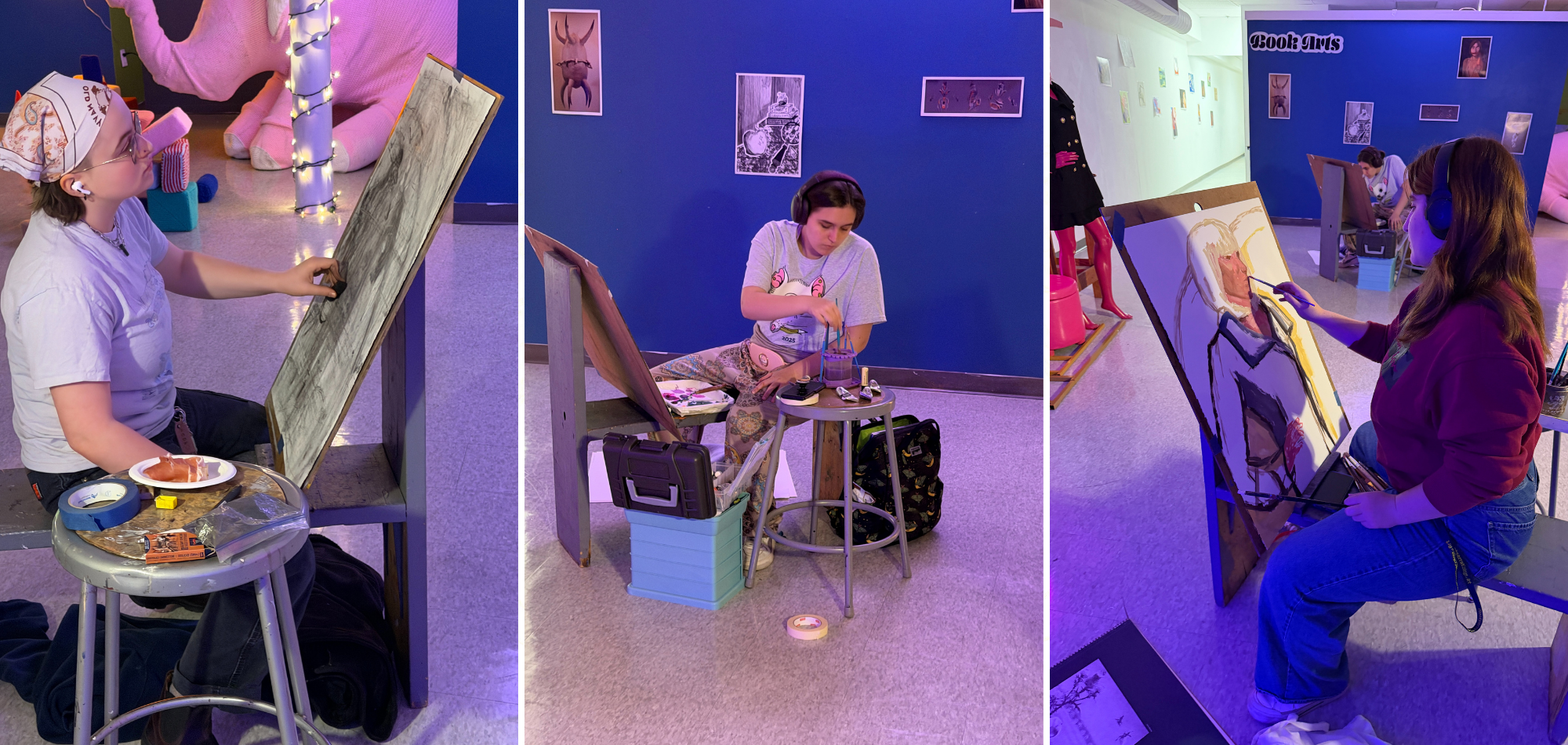
Third Floor: 30+ affordable artist studios, a gallery, and lounge spaces where artists and makers can connect organically. This isn’t isolated studio space—it’s designed for collision and collaboration.
Second Floor: Gallery space, meeting rooms, and offices for creative-focused nonprofits like Beverly Main Streets and The Cabot. Creative Collective is here too—we knew immediately this was where we needed to be.
First Floor: Flexible performance space for concerts, dance, theatrical performances, and community events. This extends The Cabot’s mission beyond their historic theater and creates new opportunities for performers and audiences.
But here’s what makes it different: Montserrat’s Center for Career Design and Creative Enterprise will help students launch actual businesses at The Bower. Design firms. Animation studios. Production companies. This isn’t theoretical entrepreneurship education—it’s real-world business incubation.
As Michael Kerr, Montserrat’s Creative Enterprises Founding Director, explained: “Like Montserrat, The Bower resides at the intersection of education, enterprise and artistic expression. This building will be a place where students can see, hear, and experience the business of creativity.”
The Creative Collective Connection
Full transparency: Creative Collective has office space at The Bower. But that’s not why I’m writing about this.
I’m writing because The Bower represents the exact kind of ecosystem thinking that Creative Collective has been advocating for years: organizations and businesses supporting each other to create something bigger than any could build alone.
As soon as I got a tour of the space, I absolutely knew that this was a transformative project and wanted to have a permanent presence, so we jumped in right away.
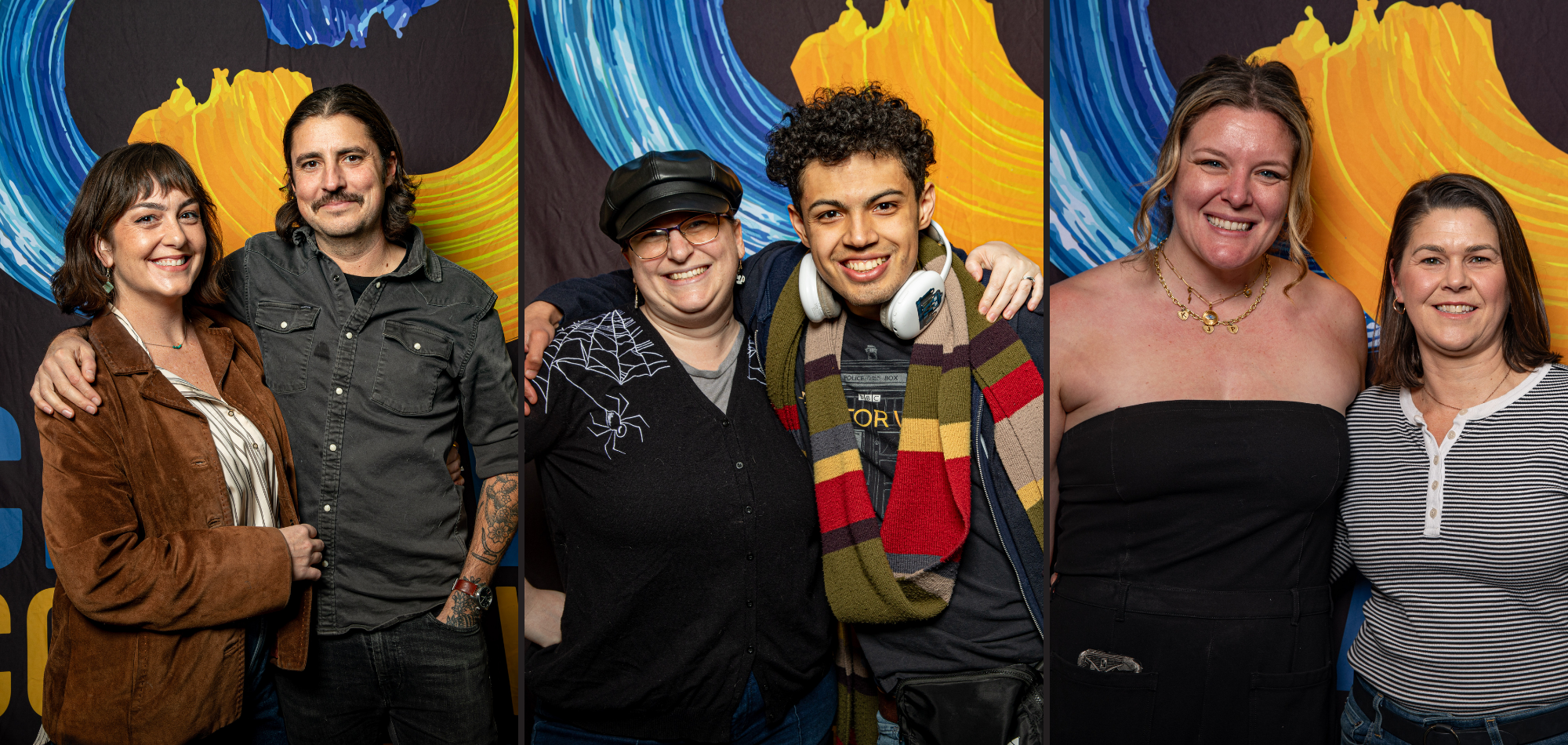
But our connection goes deeper. The Cabot, Beverly Main Streets, and Montserrat are all members of Creative Collective. And at the opening, Creative Collective members were everywhere: Thursday Poets performed and our friend Andrew from Arpeggione Ensemble provided live music. Our community showed up to celebrate our community.
This is what we mean when we say our members crowdsource success together.
Why The Speed Matters
Let’s talk about how quickly this came together, because it reveals something important about how creative infrastructure actually gets built.
Traditional development processes take months or years. Feasibility studies. Committee reviews. Competitive processes. Everyone protecting their turf and budgets. Multiple funding applications. Policy negotiations.
The Bower partners did the opposite. They recognized shared values, moved fast, and trusted each other.
Erin Truex from Beverly Main Streets captured it perfectly: “We were often running around the halls saying, ‘Did you see Brian? Was it after 4:00 on Tuesday or 4:30?’ because things were changing and shifting. But it’s been magical and it’s so indicative of our ability to work collaboratively.”
Magical. That’s what collaboration at the speed of trust looks like.
But here’s the critical insight: that speed was only possible because of the 15 years of foundation-building that came before it.
Beverly’s three partner organizations hadn’t just met on that Tuesday. They’d been working together since 2011 on the Beverly Arts District. They’d navigated NEA grants together. They’d collaborated on zoning changes. They’d jointly managed a state-designated Cultural District. They’d built relationships, trust, and strategic alignment over more than a decade.
The Bower didn’t happen in weeks. It happened in 15 years plus weeks.
That’s the lesson other communities need to understand: You can’t skip the foundation-building. But once that foundation exists, rapid execution becomes possible in ways that look miraculous from the outside.

The Human Element
What struck me most at the opening wasn’t the impressive square footage or the beautiful gallery space. It was listening to President Pellinen talk about why this matters now:
“We live in uncertain times. It’s sometimes difficult to see the news. We wonder what the next day is gonna bring. Trying to educate students for the future in higher ed when we don’t know what the future looks like is hard. But one of the things we know is that this is an incredibly strong and resilient community, and we know that we need artists to show up and to create a place to be present.”
This isn’t just economic development speak. This is acknowledging that creative infrastructure serves a deeper purpose: giving us spaces to build and connect and create even when the world feels uncertain.
As Pellinen continued: “We can’t control everything that’s going on in the world, but maybe we can control a little bit about how we control our creative destiny in Beverly.”
That resonates deeply with Creative Collective’s philosophy of supporting the whole person, not just the business.
The Beverly Strategy
Step back and look at what’s happening in Beverly’s downtown and Arts District: sidewalk poetry, murals, dense cultural programming, organizations like Beverly Main Streets actively curating the downtown experience, and now The Bower as a physical anchor.
This isn’t accidental. Beverly is deliberately positioning itself as the North Shore’s creative economy hub—not through traditional incentives, but through collaborative infrastructure and authentic community building.
The research backs this up. Massachusetts Cultural Council data shows that designated Cultural Districts drive economic growth, strengthen local character, and improve quality of life. Communities with official Cultural District designation get priority access to state funding, highway signage directing visitors to the district, and special recognition on state tourism websites.
But the designation is just a formalization of the real work: building the collaborative networks, physical infrastructure, and programming that actually create vibrant creative economies.
President Pellinen described Beverly’s approach beautifully: “I love what this building can represent. I think for too long Montserrat has been a little too focused on what’s happening inside our walls. Our students don’t get educated in this place away from the city and in isolation—they learn and grow within a city. When I think about building a center for community artists and community creatives, this is absolutely the right thing to do. But we can’t do that ourselves. If it’s about community, we need community.”
“If it’s about community, we need community.” That’s not just Montserrat’s philosophy—that’s the entire North Shore creative economy’s opportunity.
What This Teaches Us
Three lessons from The Bower’s creation that every creative professional and business owner should consider:
1. Collaboration beats competition—always. None of these organizations could have created The Bower alone. Together, they built something exponentially more valuable than the sum of their individual resources. As Americans for the Arts research confirms, successful districts require “a network of creative workers, art and culture organizations, developers and architects coming together to explore their joint interests and develop a vision.”
2. Speed comes from foundation, not shortcuts. The partners moved fast because they’d spent 15 years building relationships, trust, and strategic alignment. You can’t skip that foundational work—but once it’s in place, rapid execution becomes possible. Other communities looking to replicate this success need to understand: start building those collaborative relationships now, even if the physical infrastructure is years away.
3. Creative infrastructure is economic infrastructure. The North Shore’s creative economy isn’t decorative—it’s a competitive economic advantage. Research from the Massachusetts Cultural Council shows that cultural districts attract tourists, entrepreneurs, and creative businesses while creating measurable economic impact. The Bower recognizes and strengthens that reality with physical space designed for the organic collisions that drive innovation.
The Vision Forward
The Bower isn’t finished evolving. The partners envision restaurants hosting evening events in the galleries. Yoga classes and worship services in the flexible spaces. Late hours staffed by student workers so creators can work when inspiration strikes, not just during business hours.
President Pellinen painted the picture: “I want this to be part of the downtown Beverly experience. If you go to Soma for dinner, maybe before or after dinner you want to come and see what’s in the hallways. We have an incredible grant from the government that allows us to hire a lot of student workers, so we’re gonna have this place staffed with students so we can keep it open late.”
Brian Ridolfo from The Cabot added: “I would love for restaurants and cafes to have an evening down here where people can come in after they’ve eaten and there can be dessert and there can be art on the walls and there can be installations. We’ve mocked out these two theatre spaces, but we want them to be flexible. We want people to come in here and do performances and talks and yoga practice and worship services. We want people to be here and feel like this is their space.”
This is community infrastructure designed for how creative professionals actually work and live.
Why Creative Collective Needed To Be Here
We took office space at The Bower for a simple reason: this is where creative collaboration is happening at architectural scale, and Creative Collective needed to be part of it.
Our members include artists, makers, performers, designers, cultural organizations, and creative businesses across every discipline. Many of them will find studios, performance opportunities, collaboration partners, and business development support at The Bower.
We couldn’t advocate for creative economy infrastructure and then watch from the sidelines.
But more than that—The Bower embodies Creative Collective’s core belief that thriving businesses are built by thriving humans supporting each other. It’s designed for the organic collisions and collaborations that lead to extraordinary outcomes. It’s proof that when creative organizations share resources and vision, everyone rises.
An Invitation To The Creative Community
If you’re a creative professional—whether you’re just starting out or well-established—The Bower represents a new kind of infrastructure designed specifically for how you work.
If you’re a business owner wondering how to navigate economic uncertainty, this is your case study: build with others, not against them. And remember that the most powerful collaborations aren’t opportunistic partnerships—they’re relationships built over years of shared work, shared vision, and shared commitment to community.
If you’re an organizational leader or economic development professional, look at what The Cabot, Beverly Main Streets, and Montserrat accomplished. Fifteen years of strategic cultural district development created the foundation. Three organizations, shared vision, weeks of execution. That’s your roadmap—but don’t skip the foundation-building phase.
As Erin Truex said at the opening: “Whether it’s investing your time, your treasure, your talent, or your trust in us being stewards of this space, we hope that you will continue to engage with us. Because your involvement and your engagement is gonna be integral to our success.”
That invitation extends beyond The Bower. That’s an invitation to help build the North Shore’s creative economy together.
What Comes Next
Creative Collective will be at The Bower, working alongside The Cabot, Beverly Main Streets, Montserrat, and the dozens of artists, performers, and creative businesses who’ll make this building come alive.
We’ll be connecting our members to opportunities at The Bower. We’ll be amplifying the work happening in those studios and galleries to our followers. We’ll be bringing our collaborative problem-solving approach to this collaborative space.
Because that’s what ecosystems do: they strengthen each other.
If you want to learn more about The Bower, contact Michael Kerr at Montserrat (michael.kerr@montserrat.edu). If you want to learn more about how Creative Collective supports creative businesses and professionals, reach out to us at creativecollectivema.com.
And if you’re anywhere near Beverly, stop by 248 Cabot Street. Walk through those spaces. Talk to the artists. Attend a performance. Feel what happens when creative organizations choose collaboration over competition.
This is what’s possible when we build together.
Creative Collective delivers comprehensive business support—marketing promotion, technical assistance, business consulting, and community connections—to Essex County creative professionals, makers, and entrepreneurs. We believe thriving businesses are built by thriving humans supporting each other, and The Bower proves that this philosophy scales from individual companies to regional infrastructure.
John Andrews is the founder of Creative Collective, a business support organization serving creative professionals, makers, and entrepreneurs across Essex County, Massachusetts.

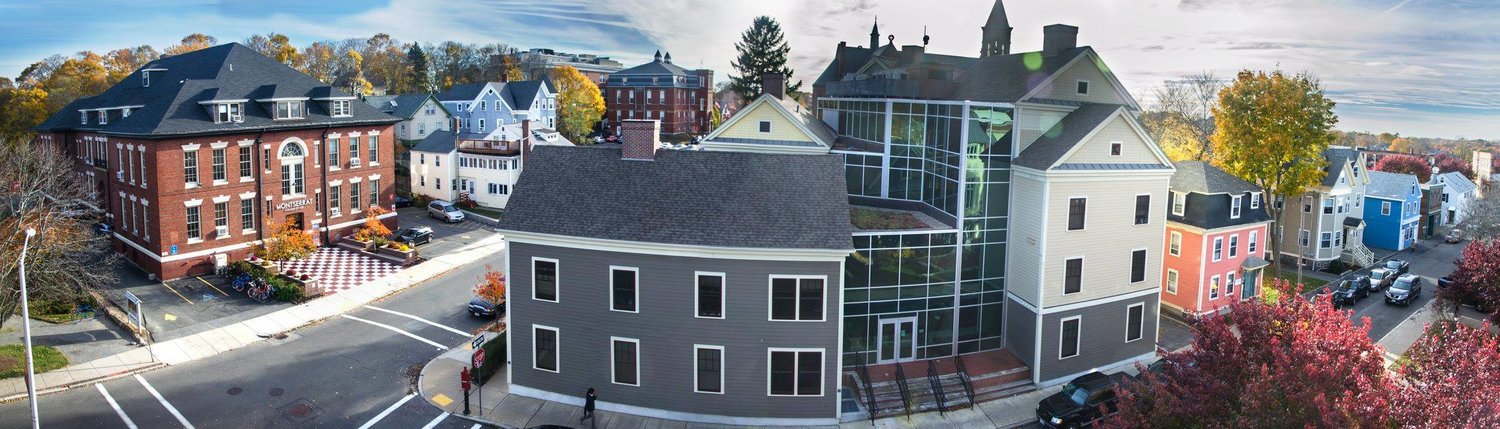
Montserrat College of Art | Fine Arts Education & Professional Development
View their Member Listing
Montserrat College of Art, founded in 1970, by artists, for artists, offers a BFA program with concentrations in animation + interactive media, book arts, graphic design, illustration, interdisciplinary arts, painting + drawing, photography + video, printmaking and sculpture. Small by design, our 400 creative-minded students work and live in a vibrant downtown environment 3 blocks from the Atlantic Ocean and
SEE LISTING