
Mayor Pangallo begins second term at PEM ceremony as poets and performers frame the moment—and the creative sector speaks without being named.
On a Monday morning in January, just days before Salem’s official 400+ anniversary kickoff, the city inaugurated its 2026 leadership the way this city does so many things: surrounded by art, grounded in history, and looking resolutely forward. The Salem 2026 inauguration ceremony at the Peabody Essex Museum marked the beginning of Mayor Dominick Pangallo’s second term—and set an unmistakably creative tone for the year ahead.
Creative Collective was in the room as Pangallo took the oath of office, joined by the Salem City Council and School Committee. We were delighted to see many of our members there as well—a reminder that when civic moments happen in Salem, the creative and small business community shows up. We try to be present for moments like these, the ones that shape the environment our sectors operate in. And while the creative economy wasn’t explicitly named in the morning’s remarks, it was impossible to miss: woven into the venue, the voices, and the vision laid out for Salem’s next chapter.
The Salem 2026 Inauguration Venue Told Its Own Story
Something is fitting about inaugurating a city government inside one of the nation’s premier art museums. The Peabody Essex Museum’s atrium—all light and openness—served as the backdrop for oaths of office, policy priorities, and a clear signal of how Salem intends to approach its 400th year.
Before the mayor spoke a word, the creative sector had already set the tone. Witch Pitch, Salem High School’s a cappella group, delivered the national anthem. The Salem Youth Commission led the Pledge of Allegiance. And then came the poets.
“Someone’s Bound to Listen”
J.D. Scrimgeour, Salem’s Poet Laureate, opened with “Evening Walk, Late December,” a meditation on the city at the edge of winter and the edge of its anniversary year. He walked the audience through familiar Salem touchstones—the Witch Trials Memorial, Old Burial Point, the Spirit Market—landing on a moment of unexpected warmth: a tour guide calling out through the cold, “Stay warm, my friend.”
But it was Liana Galvan, Salem’s first-ever Youth Poet Laureate, who delivered perhaps the morning’s most striking remarks. A sophomore at Salem High School, Galvan read “Listen!”—a poem that traced Salem’s transformation from a place of brutal colonial history to a city that has learned, imperfectly but persistently, to hear its people.

Salem Poet Laureate J.D. Scrimgeour and Youth Poet Laureate Liana Galvan at the 2026 Inauguration ceremony at Peabody Essex Museum.
“How did we get here,” she wrote, “a place of inclusion, equity, diversity—a rich community full of a variety of solutions.”
Her answer was both a challenge and a celebration: that Salem has become a place where voices can rise, where systems can change, where the act of listening itself becomes a form of progress. These words especially stuck with us: “Here, we understand the power of words: at least to some extent / Here, we are no stranger to advocacy, / Representation, beloved friend democracy.”
She closed with a line that lingered: “Here, you can talk all you want. Someone’s bound to listen.”
For a city launching a year of commemoration, it was a reminder that the story isn’t finished—and that young voices will help write what comes next.
History as Wind, Not Anchor
Mayor Pangallo’s address leaned heavily into the “400+” framing—the plus sign representing not just years beyond 400, but a forward momentum the city is working to embody as it enters this commemorative year.
“History is not an anchor holding us in place,” Pangallo said, invoking the words of Charlotte Forten. “It’s the wind that fills our sails and sends us forward across the waves with true hearts and purpose high.”
It’s a line worth sitting with—especially for those of us who work in communities shaped by complicated pasts. Salem knows something about what happens when fear takes the wheel. The mayor referenced that directly: “Across America, there may not be a place more familiar than Salem with what happens when fear is what centers us.”
The antidote, he argued, is a city centered on compassion over cruelty, community over chaos, competence over vengeance. “We cannot be great,” he said, “unless we are first willing to do good.”
The Agenda: What’s Coming in 2026
Beyond the poetry, there was policy. Pangallo outlined a substantial agenda for the year, much of it with implications for the creative sector and small business community—even when not framed that way.
Infrastructure and placemaking:
- A new ferry terminal to replace the aging “temporary” structure
- Renovations and accessibility upgrades to Old Town Hall
- Phase 1 of the Pioneer Village relocation to a more prominent, accessible site
- Continued work on the Signature Parks initiative, including Salem Common, Winter Island, and the Willows
- Forward momentum on the vacant downtown courthouses, bringing housing and public amenity spaces to Federal Street
- Design advancement for a South Salem Commuter Rail stop

Salem Ma Inauguration 2026 – Mayor Pangallo addresses the attendees at the Peabody Essex Museum
Economic development:
- Continued push for the offshore wind terminal at Salem’s port—”despite the headwinds from Washington.”
- Housing roadmap implementation, with a goal of 1% annual growth in housing units
- Community solar program exploration for resident savings
Cultural and community initiatives:
- A new partnership with the National Hispanic Cultural Center for collaboration with Hispanic artists and historians
- Official certification as a Welcoming Community through Welcoming America
- Pursuit of UNICEF Child-Friendly City certification—only the ninth U.S. city invited
- Return of the Heritage Days Parade
And, of course, the major question mark: Salem High School. The mayor announced he’ll file a request with the City Council to fund a new high school, backed by a $200 million state grant. Voters will decide later this year whether to accept it.
What Wasn’t Said
Here’s the thing about the Salem 2026 inauguration: nobody on that stage said “creative economy” or “creative sector.” There was no mention of artists, makers, galleries, or the cultural businesses that help define Salem, Massachusetts, and draw millions of visitors each year.
And yet.
The ceremony happened at an art museum. A high school a cappella group sang the anthem. Two poets—including a teenager—were given featured billing alongside the mayor. The National Hispanic Cultural Center partnership was announced. Pioneer Village, a historical and cultural site, is being relocated for better access. Old Town Hall is getting renovated.
The creative sector was the frame, even if it wasn’t the headline.
That’s often how it works. Creativity is what makes civic moments feel meaningful, draws people to places, and turns a city into somewhere worth caring about. It doesn’t consistently get named. But it’s there—in the room, setting the tone, filling the sails.
Looking Ahead
Monday’s inauguration was steeped in 400+ themes and branding, but the official Salem 400+ anniversary kickoff happens this Saturday, January 10th, at Salem High School. From there, celebrations, festivals, and the return of Heritage Days will unfold throughout the year.
For those of us in the creative and small business sectors, the message from this inauguration is worth noting: this administration is investing in places, in infrastructure, in housing, in the things that make a city livable and visitable. The creative sector’s role in that ecosystem may not always be spoken aloud—but it was certainly present on Monday morning.
As Liana Galvan put it: “Here, you can talk all you want. Someone’s bound to listen.”
Let’s make sure they keep hearing us.
Creative Collective provides comprehensive business support for Essex County’s creative and small business sectors. Learn more about membership or explore our upcoming events.

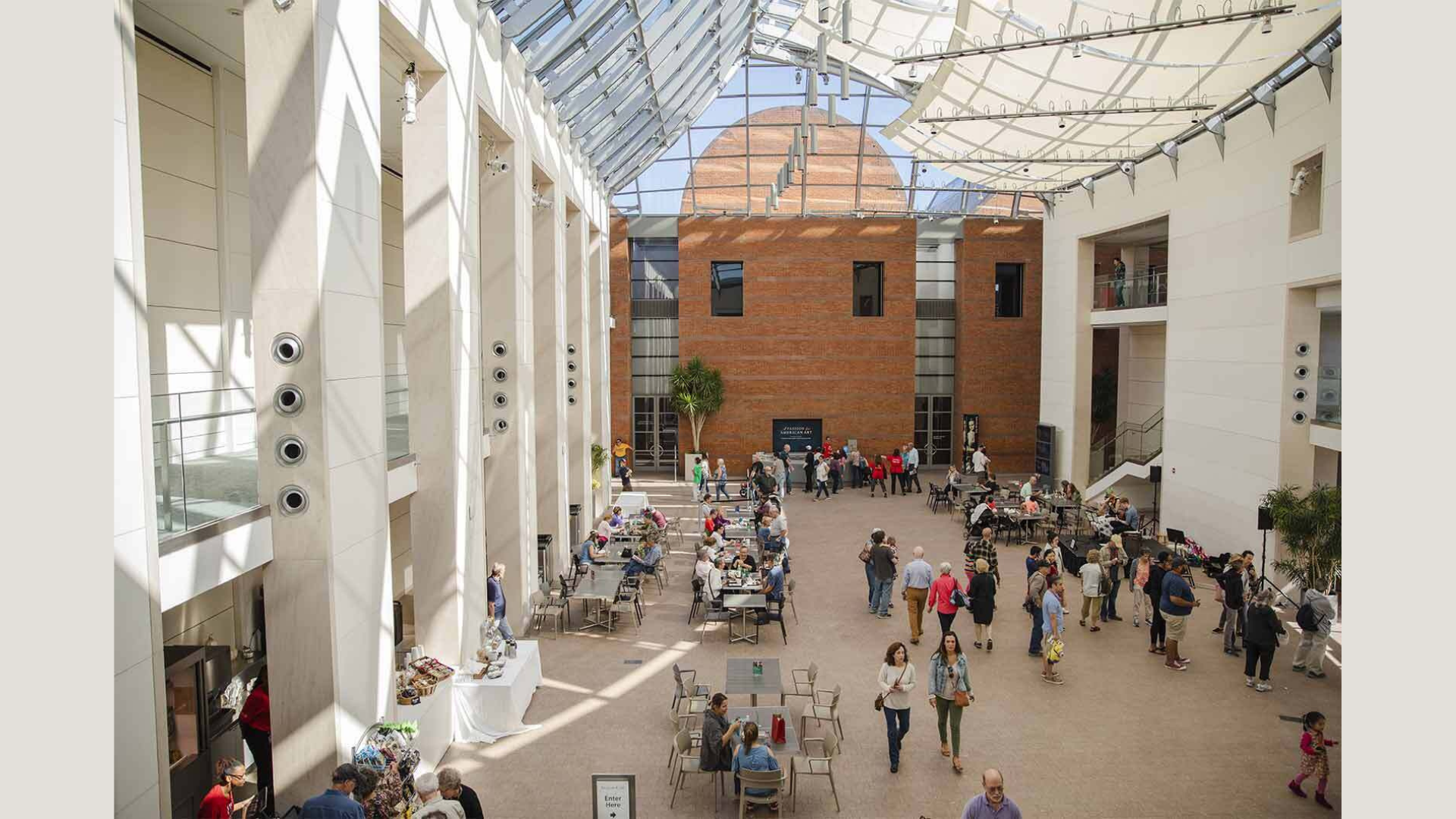
Peabody Essex Museum
View their Member Listing
The mission of the Peabody Essex Museum is to celebrate outstanding artistic and cultural creativity by collecting, stewarding and interpreting objects of art and culture in ways that increase knowledge, enrich the spirit, engage the mind and stimulate the senses. Through its exhibitions, programs, publications, media and related activities, PEM strives to create experiences that transform people’s lives by broadening
SEE LISTING